His rescue operations have extended beyond Jharkhand to other parts of India, including Delhi, Mumbai, Bengaluru, Goa, Gujarat, Rajasthan, Tripura, and Assam, as well as cross-border regions like Bangladesh and Nepal. Through his initiatives, many traffickers have been arrested, including 36 major kingpins of human trafficking, who were sentenced to life imprisonment due to his relentless efforts. Baijnath Kumar also filed a PIL (Public Interest Litigation) in the Jharkhand High Court for the protection of children’s rights. In 2018, under the IVLP (International Visitor Leadership Program), he was invited to the United States to share his work on child rights and anti-human trafficking efforts.
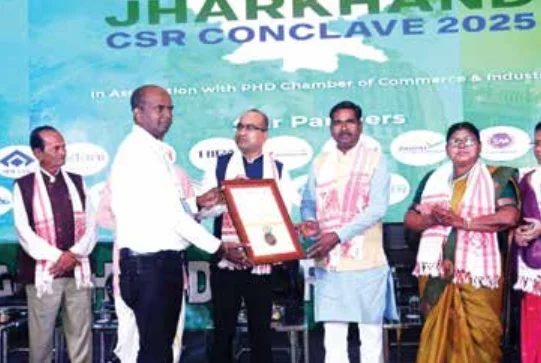
Currently serving as a Member of the Child Welfare Committee in Ranchi & Khunti, he brings deep knowledge of child protection laws and grassroots realities. His work has resulted in over 220 FIRs against traffickers, the dismantling of major trafficking networks, and the implementation of key child protection initiatives, including the drafting of placement agency regulations in Jharkhand. A recognized voice in the field, he has been honoured with numerous national and international accolades, including the prestigious President’s Award for Best Child Rights Activist and participation in the U.S. State Department’s International Visitor Leadership Program (IVLP)